Stats
Actions
Available In
Tags

Enforces strict evidence gates in Claude Code workflows, enabling developers to run multi-step tasks with automated QA, code review, and artifact verification before completion. Provides a loop harness with agents for implementation, auditing, and final approval, ensuring each task produces verifiable proof of done.
Implementation worker for one Superloopy criterion or one non-overlapping slice. Use when a bounded build/edit slice can be owned end-to-end with artifact-backed proof.
Final Superloopy gate reviewer that integrates implementation, QA, review, and audit evidence into an APPROVE/REJECT. Use as the last check before the parent finishes the loop.
Read-only codebase navigator for Superloopy subagent-driven work. Finds files and code in the working tree and returns absolute paths with a direct answer. Never edits, never writes evidence.
Read-only, skeptical evidence auditor for a Superloopy criterion. Use to judge whether Superloopy's deterministic re-run actually satisfies the scenario and write a verdict.
QA worker that exercises Superloopy criteria and writes artifact-backed QA evidence. Use to run the app/regression surface and prove behavior, not review code.
Korean prose humanizer for Codex and Superloopy that rewrites Korean text so it sounds naturally human while preserving meaning, register, facts, protected tokens, and evidence. Use when the user asks to remove Korean AI tells, make Korean copy sound human, fix 번역투, remove ChatGPT/Claude/Gemini tone, polish Korean without changing meaning, or says "AI 티 없애줘", "AI 윤문", "번역투 고쳐", "사람이 쓴 것처럼", "humanize Korean", "한글 AI 티 제거", "글 자연스럽게 다듬어줘". Inspired by Korean AI-tell ideas from https://github.com/epoko77-ai/im-not-ai. Handles Korean rewriting only; not for translation, fact expansion, SEO rewriting, legal drafting, or generic proofreading.
Use when the user asks for Superloopy clone or asks to clone, rebuild, reverse-engineer, replicate, or copy a website or page into a Superloopy-governed implementation. Triggers on "loopy clone", target URLs plus requests such as "clone this site", "rebuild this page", "make a copy of this website", "pixel-perfect clone", or "AI website clone". Requires browser automation and records component specs, assets, implementation, build output, and visual QA as Superloopy evidence.
Use when diagnosing Superloopy doctor, install, wrapper, plugin cache, hook bootstrap, bundled agents, marketplace, Codex, Claude Code, stale-version, evidence-floor, or host-wiring health problems.
MUST USE for ANY frontend, web UI, UX, or visual work — building, styling, or redesigning a page/screen/component, landing pages, design systems, layout, animation/motion, or any task where appearance is a success criterion. Auto-activates on visual intent; do not wait to be asked. Enforces a mandatory DESIGN.md token gate, a named anti-AI-slop rule set, and a real-browser visual-QA evidence gate on the Superloopy evidence spine. Triggers — frontend, UI, UX, design, redesign, styling, CSS, Tailwind, layout, component, page, landing page, hero section, navbar, animation, motion, taste, premium, luxury, minimal, brutalist, polish, "looks generic", "looks AI", "make it look good/professional/designed", "make it pretty", DESIGN.md, design tokens, color palette, font pairing, dark mode, responsive, "like <brand>". NOT for backend logic, non-visual code, or trivial copy edits.
Use Superloopy's lightweight strict-evidence loop for Codex tasks that need durable progress, criteria, and artifact-backed completion.
Uses power tools
Uses Bash, Write, or Edit tools
Own this plugin?
Verify ownership to unlock analytics, metadata editing, and a verified badge. GitHub access is read-only (username + org membership).
Sign in to claimOwn this plugin?
Verify ownership to unlock analytics, metadata editing, and a verified badge. GitHub access is read-only (username + org membership).
Sign in to claimBased on adoption, maintenance, documentation, and repository signals. Not a security audit or endorsement.
Loop engineering for Codex and Claude Code. Type loopy <task> — an agent does the work, proves each piece with real evidence, and only then says it's done.
English · 한국어 · 中文(简体) · 日本語 · Español


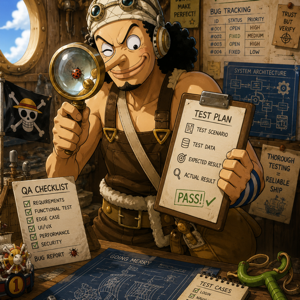



the crew — optional subagents, one job each
After installing, type your task in Codex or Claude Code with a leading loopy:
loopy add the payments module
The agent plans it, proves each piece with a real file, and reports back — you don't run any commands yourself. The packaged Stop hook stays quiet unless SUPERLOOPY_STOP_HOOK=on.
Superloopy is for Codex and Claude Code work where "done" needs to mean more than a confident status sentence.
.superloopy/evidence/.Guarantee scope. Command-backed criteria are the strong guarantee: at completion Superloopy re-runs each command in-process and requires it to reproduce, so a stale or fabricated pass cannot reach "done". Manual (commandless) criteria are verified as a non-empty evidence artifact plus auditor/human judgment — their correctness rests on review, not the deterministic re-run.
Superloopy keeps the command layer small. Skills carry the specialist workflow: when to use it, what the agent should inspect, and what proof must be left under .superloopy/evidence/.
| Skill | Use it when | What it produces |
|---|---|---|
superloopy-loop | You type loopy <task> or loopy team <task> for a full loop; use loopywork, lpy, or $lpy for guidance-only context. | Full loops produce a lightweight plan, guided next actions, command-backed proof, a quality gate, and a final evidence report. Guidance aliases do not mutate state. |
superloopy-doctor | You diagnose install, wrapper, plugin cache, hook/bootstrap, agent, Codex/Claude Code host wiring, or stale-version problems. | A read-only health report with wrapper/cache/version evidence, failing checks, and the exact repair command to run only if approved. |
superloopy-research | You ask for loopy research, deep research, exhaustive investigation, or a cited report. | Research axes, expansion waves, a claim ledger, verification notes, and a cited synthesis artifact. |
superloopy-clone | You ask for loopy clone, authorized website cloning, rebuilding, migration, or pixel-focused page recovery. | Browser captures, page topology, design tokens, asset inventory, implementation notes, build output, and visual QA evidence. |
superloopy-frontend | You build, style, or redesign any UI/page/component, or ask to make something look designed (auto-activates on visual work). | A DESIGN.md token contract, an anti-slop pre-flight result, and a real-browser visual-QA evidence artifact. |
humanize-korean | Use when Korean users ask to remove AI tone, fix 번역투, or make Korean text sound human without changing facts. | Writes final.md, summary.md, and audit.json; in Superloopy loops it records evidence under .superloopy/evidence/humanize-korean/. |
The loop skill is the default guardrail. loopy starts or resumes the evidence loop; loopy team escalates to crew mode. loopywork, lpy, and $lpy only inject starter guidance. Research and clone are opt-in specialist modes, and both still finish by recording Superloopy evidence instead of trusting a status sentence. The frontend skill auto-activates on visual work and injects a short guidance-only steer; set SUPERLOOPY_FRONTEND_STEER=off to silence it.
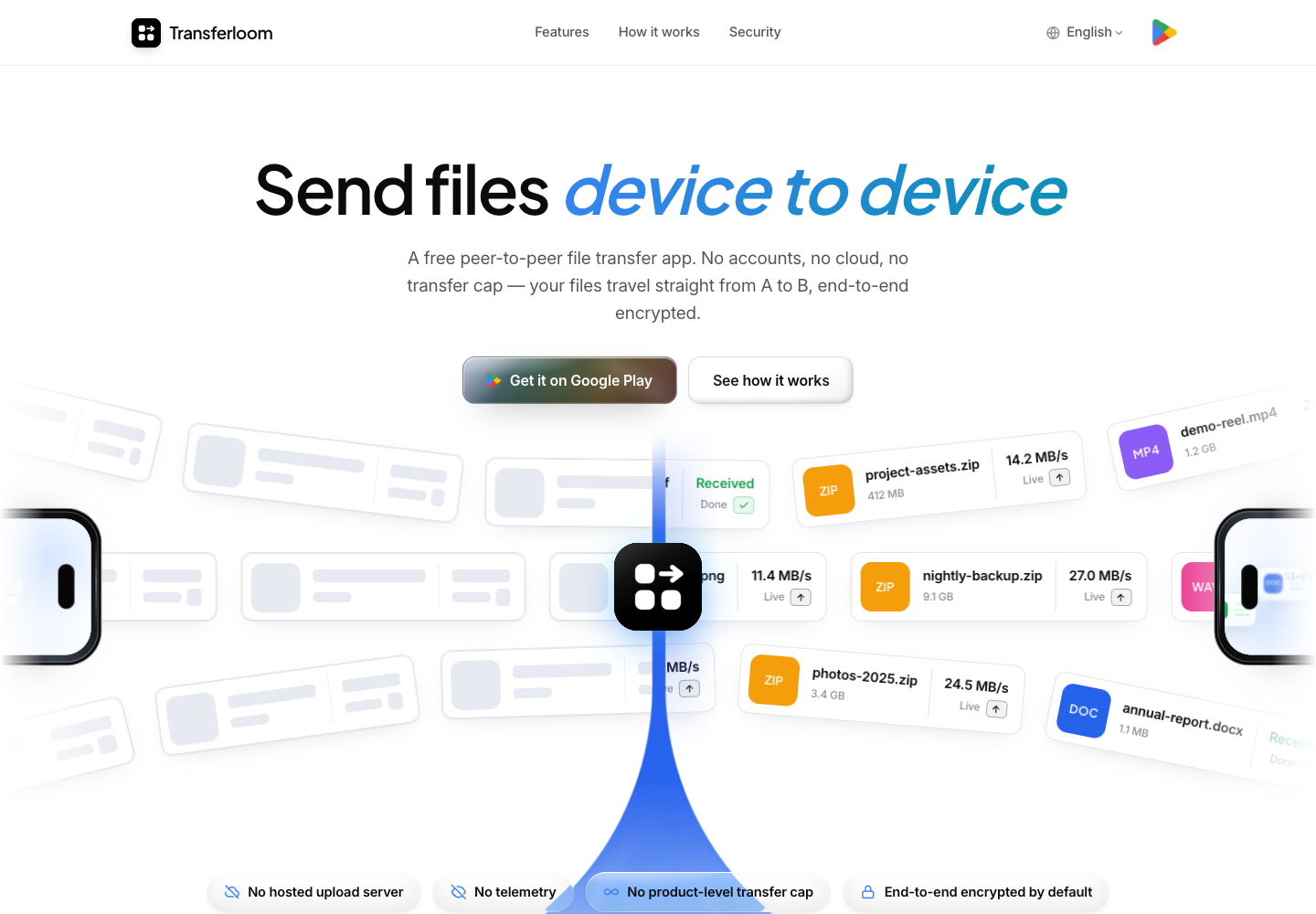
superloopy-clone reproduced Transferloom.com locally and passed desktop/mobile browser validation. The reference run preserved the sticky nav, animated hero, app preview sections, comparison table, security panel, sister app banner, footer, local assets, and Superloopy evidence trail.
npx claudepluginhub beefiker/superloopy --plugin superloopyLichAmnesia's open-source Claude Code skills — skills-map router (picks which skill to use) plus flagship spec-driven-dev workflow, debug-hypothesis, wiki-aggregate, build-until-pass (self-correcting build loop), Tavily search, Nano Banana image generation, frontend-design, and subagent-brief (pre-flight token discipline for multi-agent fan-out).
 LichAmnesia
Verification-first engineering toolkit for Claude Code. 15 skills across a 5-phase spine (Investigate → Design → Implement → Verify → Ship), 8 specialist agents, an interactive setup wizard. Every skill has rationalizations + evidence requirements. Built for senior ICs and tech leads.
 duthaho
Production-ready Claude Code configuration with role-based workflows (PM→Lead→Designer→Dev→QA), safety hooks, 44 commands, 19 skills, 8 agents, 43 rules, 30 hook scripts across 19 events, auto-learning pipeline, hook profiles, and multi-language coding standards
 xiaobei930
52 specialist skills + 43 slash commands for coding agents — orchestrator, backend, frontend, QA, security, deploy, detective-spec, static-analysis, skill-author, program-router, parallel-dispatcher, blog-publisher, blog-screenshot, canary-deployment, zoom-out, handoff-context, post-deploy-canary-monitor, pattern-conformity, research-prep, context-budget, direct-response-copy, ux-research, ui-polish + spec-driven development, anti-AI writing, memory consolidation, executable YAML pipelines + insights dashboard (v2.18.0, 6 tabs). v2.38.0: skill 52 ui-polish absorvida de jakubkrehel/make-interfaces-feel-better (MIT) — 16 principios de acabamento visual (border radius concentrico, alinhamento optico, sombra vs borda, animacoes interrompiveis, split/stagger, saida sutil, animacao contextual de icone com valores exatos, font smoothing, tabular numbers, text wrapping, image outline, scale on press, skip animation on load, will-change moderado, hit area minima); referencia cruzada em skill 12 (motion-design) e skill 02 (ui-ux-design). v2.37.0: absorcao de 7 ebooks Casa do Codigo — skill 50 ux-research (gap real: discovery qualitativo — entrevista, persona baseada em pesquisa, journey map, teste de usabilidade, arquitetura de informacao; antecede PO 01 e UI/UX 02) + 3 policies de XP (pair-programming, continuous-integration, sustainable-pace, ligadas a skill 37) + incrementos cirurgicos: skill 01 ganha Fundamento de Negocio (validacao de hipotese, MVP, monetizacao, AARRR, product-market fit — do Guia da Startup); skill 14 ganha Keyword Research (KEI, intent, cauda longa) + Off-Page/Link Building (do SEO Pratico); skill 07 ganha Infrastructure as Code (provisionamento declarativo, idempotencia, drift — principios do DevOps na pratica traduzidos pra Terraform/Ansible); skill 38 ganha lentes de coesao/acoplamento, seam distribuido (REST/async/RPC, HATEOAS) e camadas (da Introducao a Arquitetura). Livros de Jogos HTML5 Canvas (nicho <2%) descartados por frequencia. v2.36.0: skill 50 direct-response-copy — copy de direct response destilada de 3 ebooks classicos PT-BR: biblioteca de formulas de headline em 20 categorias de gatilho (357 modelos destilados em formulas parametrizadas), 8 gatilhos mentais + storytelling de venda, copy de Instagram (legenda/engajamento). Gate de integridade obrigatorio: sem claim nao-verificavel, sem depoimento fabricado, escassez so real. Complementa a skill 13 (copy de produto): 13 cobre landing/microcopy/brand voice, 50 cobre ads/pagina de vendas/email/social. v2.35.0: auto-skillify (absorcao parcial do activeloopai/hivemind) — hook UserPromptSubmit que a cada N turnos (default 20) injeta checkpoint perguntando se a atividade recente vale virar learned-skill (3 criterios: nao-googleavel, especifico do codebase, custou debugging). Adapta o skillify-via-Haiku do hivemind ao runtime: delega a decisao ao agente da sessao (ja pago) em vez de forkar LLM. Le a contagem do context-turn-counter. O resto do hivemind ja tinhamos: codebase graph=Graphify, semantic search=.index/vault.db, memory compound=memory-curator. v2.34.0: vault de memoria UNIFICADO ao kit — instalar o kit agora CRIA o vault automaticamente (scripts/init-vault.mjs roda no install.sh: cria estrutura logs/architecture/secrets, CLAUDE.md com as regras de escrita, .gitignore protegendo secrets/, git init). Path PORTAVEL via scripts/vault-resolver.mjs: $CLAUDE_MEMORY_VAULT → ~/.claude-memory (novo padrao, vale Windows/Mac/Linux) → D:/claude-memory (legado). Antes o vault era montado a mao e o path hardcoded; agora kit+memoria sao uma coisa so. Idempotente (nao sobrescreve vault existente). v2.33.0: absorcao obsidian-second-brain (memoria AI-first) — policy memory-write-rules.md aplica anti-fabricacao ao VAULT (false-absence: busque exaustivamente antes de afirmar que nao existe nota/decisao — o failure mode mais comum; no-fabrication: TBD para desconhecido; recency markers '(as of YYYY-MM, fonte)' em claims externos; niveis de confianca) + convencao 'For future Claude' (preambulo de 2-3 linhas que o futuro-Claude le em 10s pra decidir relevancia, no skill 31 session-summary) + comando /reconcile-memory (detecta contradicoes no vault — decisoes revertidas/superadas nunca atualizadas — e resolve: mais novo+autoritativo vence com secao ## History, ambiguo vira flag, evolucao marca superseded). v2.32.0: pre-build-gate (UserPromptSubmit hook) leva o 'pare e decida antes de codar' de cada disciplina (que o /auto tem nas fases) para o MODO PASSIVO — detecta intencao de criacao no prompt e injeta o checklist da disciplina certa: acceptance-criteria (defina done antes de implementar), api-contract (formato de erro + status codes antes da 1a rota), schema-integrity (constraints/FK/indices antes do 1o INSERT), ui-design (ancora estetica antes de estilizar), deploy-readiness (healthcheck/env/graceful-shutdown). 4 novas rules path-scoped por disciplina (rules/backend/, rules/database/, rules/frontend/, rules/common/acceptance-criteria.md). v2.31.0: design-aware /auto — fase UI-DESIGN como gate (PLAN→[UI-DESIGN]→BUILD) que invoca skill 02-ui-ux-design e bloqueia build de arquivo visual ate a ancora estetica estar escolhida; rules/frontend/ui-design.md (path-scoped em .css/.tsx/public) proibe o default generico (#4f46e5 indigo + system-ui), forca escolher 1 ancora; coverage config virou gate HARD no /auto; scope inference (app→fullstack) movido pra rules/common para o modo passivo herdar. Validado por bench A/B real (bench/ab/, 3 rounds) que expos UI generica nos 3 bracos. v2.29.0: claim-verifier (PostToolUse — detecta afirmacoes sem evidencia: 'email enviado', 'deploy OK', 'teste passou'; passa livre se ha exit code 0/HTTP 200/query result) + context-turn-counter (UserPromptSubmit — compact a cada 25 turnos, handoff inteligente a cada 50 usando vault de memoria). v2.28.0: /spec-kit (SDD pipeline unificado specify→plan→tasks→implement + Adversarial Verifier inline), /insights (recomendacoes baseadas em telemetria dos hooks), /swarm com Phase 3 Adversarial Verify (Implementor vs Verifier com goals opostos, spec atualizada em real-time). v2.27.0: investigate-first guard (hook PreToolUse que impede a IA de perguntar o auto-descobrivel — gh user, branch, package manager, porta, versao de runtime — manda investigar primeiro) + policy investigate-first. v2.26.0: silent-failure-hunter (16o subagent, review-only: caca catch{} vazio, swallowed errors, fallbacks perigosos, stack traces perdidos, rollback faltando) + skill 49 context-budget (audita peso de contexto carregado por componente) + /context-budget. v2.25.0: rules system path-scoped (`.claude/rules/` com `paths:` glob, inspirado no ECC), bug-fix da allowlist de subagents, 5 skills stub reescritos com profundidade. v2.24.0: curador AUTONOMO de memoria (inspirado no Hermes Agent) — roda async no SessionStart, faz decay/archive/dedup em JS puro sem gastar LLM e delega so a parte semantica ao agente presente. v2.23.0: absorcao addozhang (skill 48 research-prep, Spring Boot playbook, mem9 patterns). v2.22.0: memory curator nudge. v2.21.0: context-cost guards. v2.20.0: skill 47 pattern-conformity. 16 dispatchable subagents.
 felvieira
Framework for AI-powered multi-step workflows with quality gates
 Unsupervisedcom
HelloAGENTS — The orchestration kernel that makes any AI CLI smarter. Adds intelligent routing, unified QA gates, safety guards, and notifications.
 hellowind777
'%20stop-opacity%3D'0.16'%2F%3E%3Cstop%20offset%3D'1'%20stop-color%3D'rgb(200%2C90%2C60)'%20stop-opacity%3D'0.03'%2F%3E%3C%2FlinearGradient%3E%3C%2Fdefs%3E%3Crect%20width%3D'320'%20height%3D'200'%20fill%3D'url(%23g)'%2F%3E%3Ccircle%20cx%3D'250'%20cy%3D'56'%20r%3D'92'%20fill%3D'rgb(200%2C90%2C60)'%20fill-opacity%3D'0.06'%2F%3E%3Ccircle%20cx%3D'64'%20cy%3D'172'%20r%3D'58'%20fill%3D'rgb(200%2C90%2C60)'%20fill-opacity%3D'0.05'%2F%3E%3C%2Fsvg%3E)